Why Japan Has No Dustbins — Phir Bhi Clean Kyun Hai?
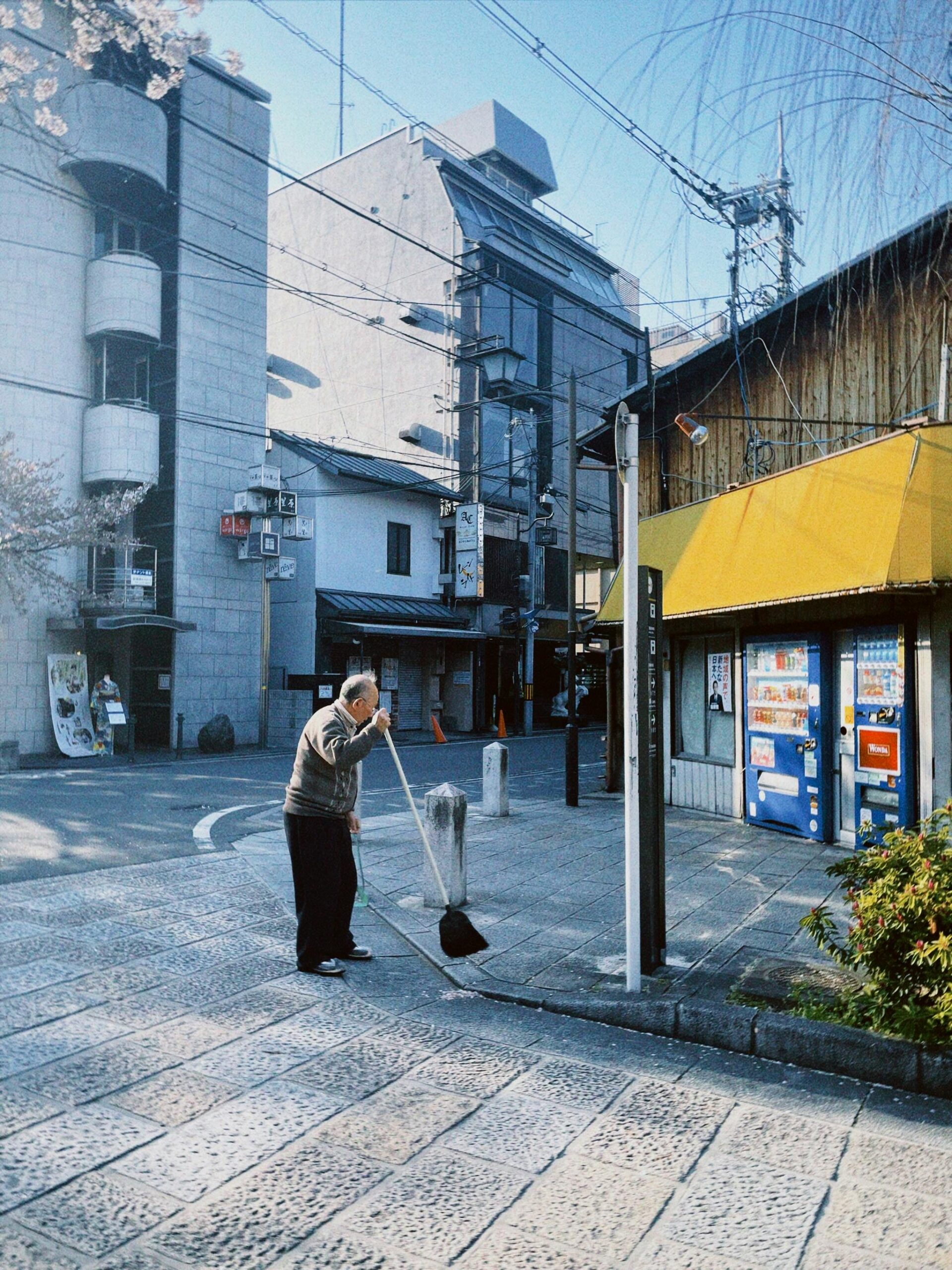
Japan ke streets duniya ke cleanest maane jaate hain. Aur sabse shocking baat? Public dustbins almost exist hi nahi karte wahan.
Socho — tum Tokyo mein ghoom rahe ho. Street food kha rahe ho, cold coffee pee rahe ho… aur dustbin milta hi nahi. Par sadak pe ek wrapper bhi nahi dikhta. Ek bhi nahi.
Pehli baar sunne mein yeh jaadu lagta hai. Par yeh na magic hai, na koi coincidence. Iske peeche ek poora system, ek powerful mindset, aur ek tragic history chhupa hai.
Chalo — ek ek layer unpack karte hain.
Short Mein Bolu Toh — The One-Line Answer
Japan mein public dustbins isliye nahi hain kyunki wahan ke log apna kachra khud ghar le jaate hain — sadak pe nahi chhodte. Yeh ek aise society ka result hai jahan cleanliness sirf rule nahi, ek deeply ingrained habit hai.
Par sirf yahi nahi. Iske peeche ek 1995 ka terrorist attack bhi hai jisne poori country ka waste management approach badal diya. Poori story padhne layak hai.
1995 Tokyo Sarin Attack — Jab Dustbin Security Risk Ban Gaya
March 20, 1995. Tokyo ki underground metro mein rush hour tha. Tab Aum Shinrikyo cult ke members ne train cabins mein sarin gas chhoda — ek deadly nerve agent.
13 log mare. Hazaron injure hue. Yeh Japan ka 9/11 tha.
Investigation mein pata chala ki attackers ne public dustbins aur bags ko apna tool ki tarah use kiya tha.
Government ka response fast aur drastic tha: public dustbins hata do.
Pehle yeh temporary measure tha — just for Olympics aur big events ke waqt. Par dheere dheere yeh permanent ho gaya. Aur logon ne adapt kar liya. Seedha aur completely.
Key takeaway: Japan ka no-dustbin policy sirf culture ka result nahi hai. Yeh ek security decision tha jo accidentally ek cleanliness revolution ban gaya.
School Se Shuru Hoti Hai Baat — Japan Ka Secret Weapon
Japan mein cleanliness infrastructure ka matter nahi — mindset ka matter hai. Aur woh mindset school se shape hota hai.
Japanese schools mein koi professional cleaner nahi hota. Bachche khud apni classrooms, hallways, bathrooms saaf karte hain. Roz. Yeh “osoji” (o-so-ji) kehlaata hai — literally “cleaning time.”
Iska psychological impact profound hai. Jab tum khud apni jagah saaf karte ho, toh tumhein automatically woh jagah ganda karna bura lagta hai.
India mein socho — agar school mein tum khud sweeping karo, toh kya tum apna chocolate wrapper floor pe phenkoge? Shayad nahi. Yahi Japan ka secret hai.
Concept: “Soji” (cleaning) ko Japan mein character building ka part maana jaata hai — jaise maths ya science. Yeh school curriculum ka official hissa hai.
Japan Waste Management System — Duniya Ka Strictest
Japan ka waste management sirf strict nahi — yeh almost obsessively detailed hai. Yahan kachra sirf “dry” aur “wet” nahi hota. Observe karo yeh categories:
- Moeru gomi (burnable waste) — food scraps, paper
- Moenai gomi (non-burnable) — ceramics, small appliances
- Shigen gomi (recyclables) — plastic bottles, cans, glass
- So-dai gomi (large items) — furniture, bicycles
- Electronics — alag schedule pe collected
Har category ka alag collection day hota hai. Alag color-coded bag hota hai — aur kuch cities mein transparent bags mandatory hain taaki neighbors dekh sakein ki tumne sahi segregation kiya ya nahi.
Social pressure? Absolutely. Par effective? Extremely.
Real example: Plastic bottles ko recycle karte waqt — cap alag, label alag, bottle alag crush karke daalo. Teen pieces ek bottle ke. Yahan log actually yeh karte hain.
Galat bag mein kachra daala? Municipality wapas bhej deta hai — note ke saath. Imagine courier return with a stern letter.
Social Pressure — Japan Ka Invisible Dustbin
Dustbins nahi hain, par ek invisible force zaroor hai: log tumhe dekh rahe hain.
Japan ek collectivist society hai. “Meiwaku” — doosron ko bother karna — ek social crime hai. Public mein kachra phenkna sirf rule violation nahi, yeh seriously embarrassing hai.
Imagine karo: tum wrapper floor pe phenkne wale ho. Saath mein 10 log khade hain. Koi bolega nahi — par sab dekhenge. Woh look hi kaafi hai.
Yeh social accountability infrastructure se zyada powerful hai. Koi CCTV nahi chahiye. Koi fine nahi chahiye. Bas collective expectation kaafi hai.
Facts Jo Tumhe Shock Karenge
- Tokyo ka municipal solid waste recycling rate consistently 20% se upar hai — aur overall diversion rate (recycling + incineration with energy recovery) 80% ke karib hai. (Source: Tokyo Metropolitan Government Environmental Bureau)
- Japan mein per capita municipal waste generation — approx. 360 kg/year — Europe aur US ke comparison mein significantly kam hai.
- India mein har din approximately 1.5 lakh metric ton solid waste generate hota hai — jiska 30-40% hi properly collected hota hai. (Source: Ministry of Housing and Urban Affairs)
- Japan ke 70% se zyada cities mein waste segregation ke liye 10+ categories hain.
- Japanese convenience stores (combini) khud ek mini waste management hub hain — unke counters pe bhi segregated bins hote hain.
India Mein Kya Hota Hai — Honest Comparison
Seedha bolein toh: India ka problem sirf dustbins ki quantity ka nahi hai.
India mein teen alag problems hain jinka Japan se comparison useful hai:
- Mindset gap: “Dustbin nahi hai toh yahin daal do” vs Japan ka “Dustbin nahi hai toh ghar le jao.” Yeh ek line mein poora fark batati hai.
- Infrastructure gap: India mein waste collection inconsistent hai. Japan mein collection schedule itna reliable hai ki log uske hisaab se apni mornings plan karte hain.
- Education gap: Japan mein school se cleanliness sikhai jaati hai. India mein Swachh Bharat jaisi campaigns awareness layi hain, par school-level behavioral change abhi bhi incomplete hai.
Positive note: India badal raha hai. Indore lagatar India ka cleanest city ban raha hai — Japan-inspired ward-level waste collection se. Yeh proof hai ki system kaam kar sakta hai.
UPI adopt hua. Helmets mandatory ho gaye. Cleanliness bhi ho sakti hai — time aur systemic focus ke saath.
Kya Japan Model India Mein Kaam Karega?
Short answer: directly copy nahi ho sakta. Par elements zaroor adopt ho sakte hain.
Japan ka model 3 pillars pe khada hai — school-level behavioral training, strict aur consistent enforcement, aur strong social accountability. India mein teen mein se sirf pehle waale pe seriously kaam ho raha hai.
Par yahan ek important distinction hai: Japan ne bhi yeh overnight nahi kiya. Post-war era se lekar aaj tak decades ka systemic work hai iske peeche.
India ka realistic path: Indore jaise cities ko model maano, school curriculum mein soji-style cleaning laao, aur ward-level waste collection ko Japan ki tarah schedule-based banao. Results aayenge — slowly, but surely.
Toh Yeh Tha Jawab
Why Japan has no dustbins — ka jawab ek nahi, teen hain:
- Ek tragic terrorist attack jisne infrastructure change kar diya
- Decades ki school-level behavioral conditioning
- Ek collectivist society jahan social pressure enforcement karta hai
Japan ne yeh prove kiya ki cleanliness ke liye dustbins zaruri nahi — mindset zaruri hai.
Aur shayad yeh sabse important lesson hai jo India ke liye bhi relevant hai. Hum infrastructure ka wait karte rehte hain. Japan ne infrastructure hata diya aur log khud adapt ho gaye.
Sawal yeh nahi hai ki Japan clean kyun hai. Sawal yeh hai ki hum kyun nahi hain — aur hum kab decide karenge ki hona hai.
Agar yeh interesting laga, toh unhe share karo jinhe hamesha ‘why’ poochna pasand hai!
Read more: Why Japan Has No Dustbins — Phir Bhi Clean Kyun Hai?